SAKILI - Blessures
Roots reggae, French chanson, and a brief Berlin rehearsal-room chapter
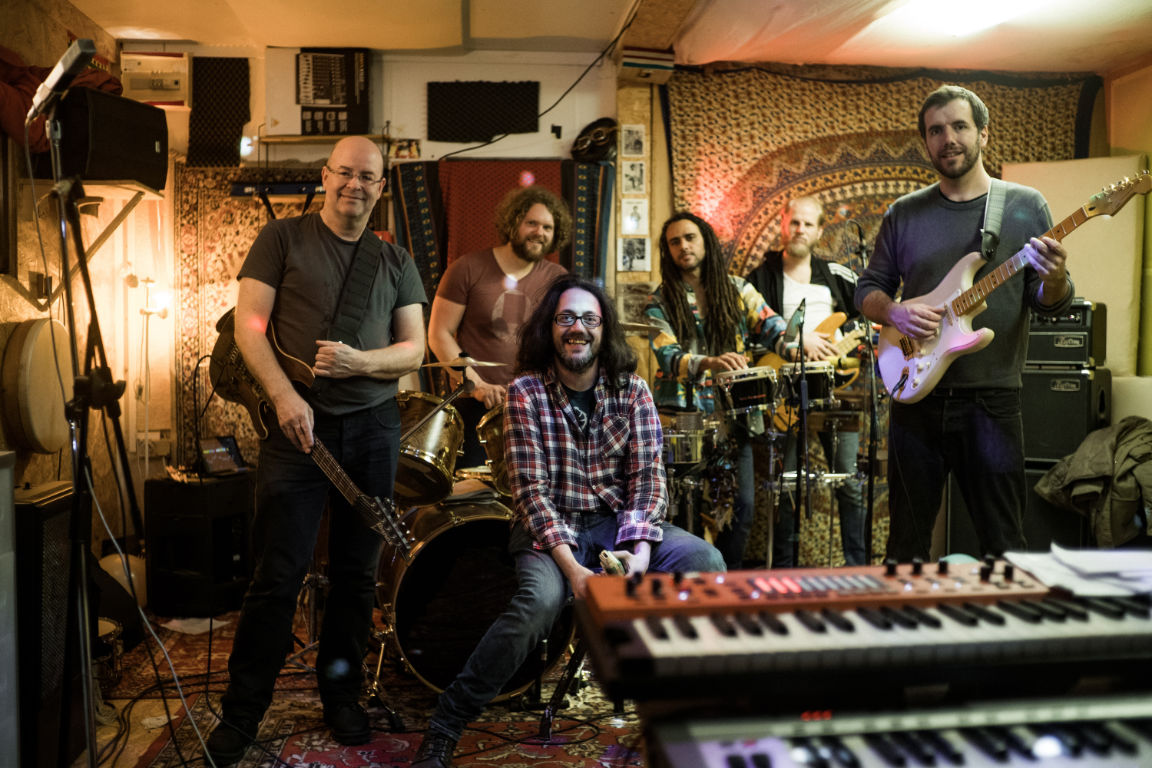
In the very last stretch before the pandemic, I began playing organ with SAKILI, a Berlin-based roots-reggae and chanson project led by Antoine Villoutreix. We rehearsed in Pepe Rasmus Weissgerber’s practice room around Ostkreuz: a warm, lived-in Proberaum with that very particular Berlin mixture of music, craft, odd equipment, wood dust, friendship, and unfinished plans.
I never played a gig with SAKILI. My whole chapter with the band happened in that rehearsal room, where I tried to learn and play their complete setlist on organ. It was beautiful, but it was also daunting. Reggae is not as simple as it may sound from the outside, and at that time I was going through a very stressful period in Berlin. Eventually I left the band, and not long after that I left Berlin for good.
Still, I remember those songs with real affection. This page is my small homage to the people involved, to the music we rehearsed, and to a short moment that disappeared almost immediately into the strange historical fog of early 2020.
The SAKILI formation
SAKILI had already appeared publicly in Berlin before my brief involvement. The project was presented in 2019 as “Roots Chanson Reggae”, founded by and with Antoine Villoutreix, and described as an international five-piece Berlin band mixing solid roots reggae with dreamy French chansons.
The word Sakili was explained in the band’s public concert notes as meaning “everything will be alright” in Mauritius. That phrase now feels almost painfully appropriate: a hopeful name attached to a musical situation that was just about to be interrupted by the pandemic.
Antoine himself was, and still is, a French singer-songwriter based in Berlin, known for blending chanson with folk, swing, pop, and other cross-cultural influences. In SAKILI, that songwriting identity moved into a reggae setting: French lyrics, chanson melancholy, a roots pulse, and a warm Berlin rehearsal-room sound.
The personnel around this SAKILI period was:
- Antoine Villoutreix — vocals, rhythm guitar, lyrics, songwriting
- Pepe Rasmus Weissgerber — drums, rehearsal-room host, harp builder, instrument craftsman
- David — percussion; previously also bass guitar before Michael joined
- Michael Schulz — bass guitar
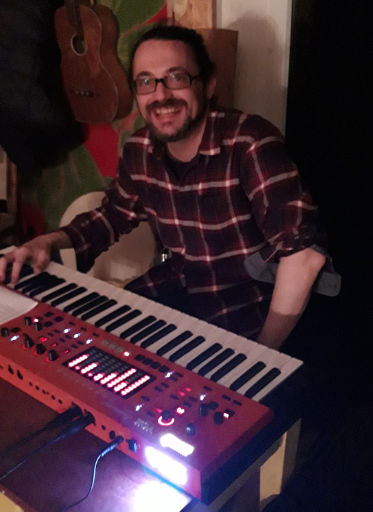
- Luca Cipressi / Milletgrain — organ and keyboards during the early-2020 rehearsal-room period
- Jürgen Schwietering — friend, colleague, hardware tinkerer, multi-instrumentalist, and the person who introduced me to the band
David had been covering bass duties before Michael Schulz joined the formation. By the time I was rehearsing with them, Michael had taken over bass guitar and David could concentrate on percussion, which gave the rhythm section a much more complete reggae architecture: drums, bass, percussion, guitar, voice, and organ all sitting in their own places.
SAKILI on stage before my time
Before I met them, SAKILI had already been part of Berlin’s live world-music circuit. A documented appearance took place on 23 March 2019 at Hangar 49 in Berlin, during the MIRMIX Bash with Di Grine Kuzine, DJ Interpaul, and DAGVII. The event was advertised as a transcultural clash of world music, Eastern roots, Western beats, global grooves, and live bands.
In that context, SAKILI was introduced as a new Roots Reggae Chanson project with Antoine Villoutreix: music for the heart, built from reggae groove and French-language songcraft. The same Hangar 49 date also appears in the Folker magazine listings for March 2019, under “Di Grine Kuzine, Sakili by Antoine Villoutreix & DJs.”
I arrived later, when the band was no longer a concert memory for me but a real room full of people, instruments, cigarette-break conversations, and difficult grooves to learn. That distinction matters: I was not part of the Hangar 49 gig, but I did briefly step into the same musical story during its final pre-pandemic phase.
Videoclip of “Blessures”
The title “Blessures” means “wounds” in French, and the song had the kind of direct emotional gravity that suited Antoine’s writing. The arrangement gave the words room to breathe, while the rhythm section kept the music grounded in reggae rather than turning it into a standard chanson ballad.
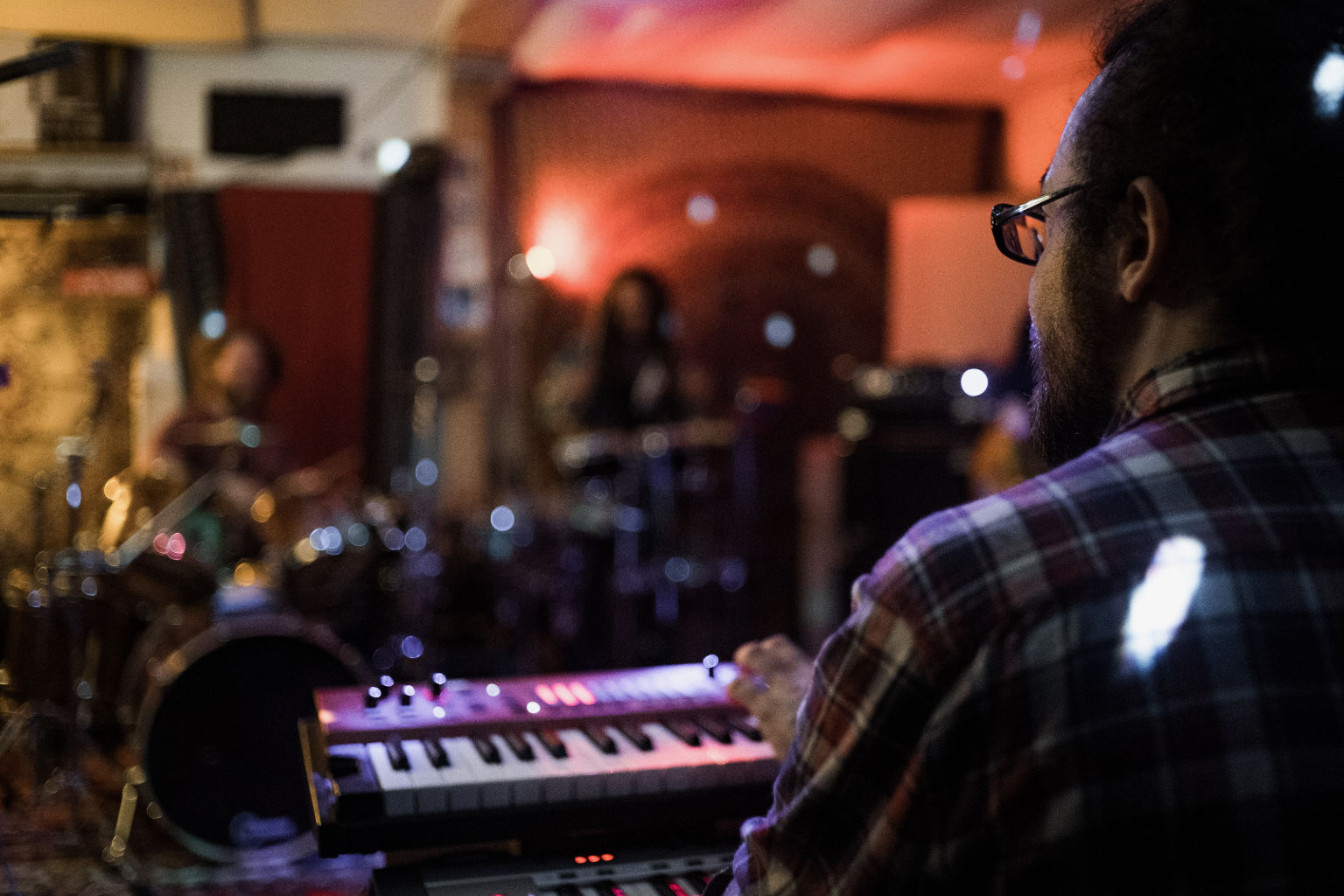
For me, the organ part was the real school. I came from Hammond vocabulary, progressive rock, jazz-rock, bluesy drawbar instincts, and all the usual temptations of filling space. But reggae organ asks for a different humility.
The organ bubble is a disciplined off-beat pulse. It is not a soloistic decoration, and it is not simply “playing chords on the upbeat.” It has to sit between drums, bass, guitar, and percussion with microscopic timing. The skank has to breathe with the guitar and rhythm section. If the timing is too stiff, it dies. If it is too busy, it gets in the way. If it is too late or too early, the whole groove feels wrong.
That was difficult for me, and I want to remember that honestly. I tried to bring my Hammond and Vox Continental enthusiasm into the songs, but I also had to confront the fact that reggae keyboard playing is a language of its own. I was learning that language while also trying to keep myself together through a stressful Berlin period. In hindsight, it was probably too much, too fast — but the music itself stayed with me.
Jürgen, Pepe, and the harp-builder’s room
I met SAKILI thanks to Jürgen Schwietering, a colleague of mine and a very skilled embedded-hardware programmer. Jürgen is also a passionate tinkerer, a multi-instrumentalist, and the kind of person who naturally connects electronics, music, and odd instruments without making a big deal out of it.
Jürgen introduced me to Pepe Rasmus Weissgerber first. Pepe was the drummer, but he was also much more than that: a professional harp builder, woodworker, and craftsman. His world was not only rhythm, but also timber, strings, resonance, and handmade instruments. That made perfect sense once you entered the room. The place had the personality of someone who understood sound from the inside out — not just as a player, but as a maker.
Pepe’s craft deserves a special mention. His work as a harp builder is documented through Weissgerber Harps, and public profiles describe him as a Berlin-based maker specialised in folk and historical harps. That biographical detail matches exactly the person I remember from the rehearsal-room context: practical, musical, generous, and surrounded by instruments that were not just objects but living acoustic machines.
A short chapter, but a real one
Looking back, SAKILI was not a big chapter in my musical life in terms of concerts, recordings, or public output. I did not tour with them, and I did not share a stage with them. I simply entered a room, met good people, tried to play their setlist, struggled with the reggae language, and eventually had to step away.
But not every musical experience has to become a gig poster, an album credit, or a polished story. Some of them remain as rooms, faces, grooves, and the memory of trying. SAKILI is one of those memories for me.
So this is my thank-you note to Antoine, Pepe, David, Michael, and Jürgen. Thank you for the music, the patience, the welcome, the rehearsal-room energy, and the good times in a complicated period. I wish you all good luck with your lives, your projects, and your music.
References and public traces
- MIRMIX Bash with Di Grine Kuzine, Sakili, DJ Interpaul & DAGVII — Resident Advisor
- Folker 2.19 listings mentioning “Di Grine Kuzine, Sakili by Antoine Villoutreix & DJs” at Hangar 49
- Antoine Villoutreix artist profile — Putumayo
- Antoine Villoutreix artist profile — Bangup Bullet
- Weissgerber Harps — Pepe Rasmus Weissgerber
- Pepe Weissgerber profile — Nordic Harp Meeting