Diretta Iniezione - DI Box
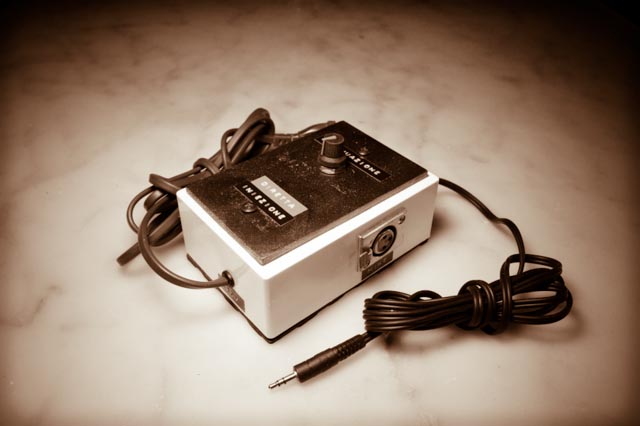
A handcrafted direct injection box — a compact, AC-powered audio preamplifier designed for dynamic microphones, capable of cleanly converting mic-level signals to standard line-level output (-10dBV). Despite being AC powered, the small linear power supply has an optimal CMRR thanks to multiple filter stage after the rectifier bridge and the use of an inductance to reduce voltage fluctuations.
Features:
- Class A FET input stage with high linearity and extended bandwidth
- XLR input with adjustable gain
- Balanced or unbalanced line-level output
- Low noise, low distortion performance
- Wide frequency response
🎙️ Motivation & Design Approach
While trying to record audio using a Shure SM58 dynamic microphone directly into a Mac’s line-in jack, I encountered the usual issues: low gain, poor signal-to-noise ratio, and uninspiring tone. So, I decided to build my own solution — a clean, simple preamplifier with tone characteristics I personally enjoy.
The input stage is modeled after the classic 12AX7 triode front-end found in vintage Fender amplifiers — but implemented here with a JFET, taking advantage of its tube-like character, low-noise performance, and analog simplicity. No USB or digital interference: the unit is powered by a noiseless internal AC supply, intentionally avoiding computer-induced hum.
🔌 Input Stage: FET vs. Triode
In terms of behavior, the FET booster circuit is functionally very close to a triode: both operate in Class A, both shape their transconductance via negative feedback, and both offer a pleasing analog response curve.
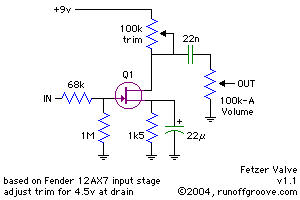
To emulate this sound, I based my design loosely on the well-known Fetzer Valve preamp, originally conceived for guitar pedals but easily adapted to microphone-level signals.
I tested a few JFETs from my stash — 2SK30 and 2N5457 — and settled on the 2N5457 for its smooth response and availability. The circuit runs at 18V, giving a large headroom and excellent dynamic range.
📈 Testing & Waveform Results
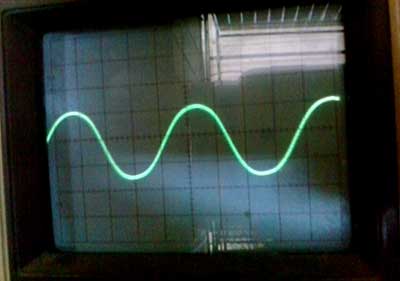
Using a -20 dBu sine wave (1 kHz), AC-coupled into the DI box, the output wave looks very stable and distortion-free at full volume.
Switching to a live capture using the Shure SM58 in front of the Mac’s internal speaker (playing the same tone), we observe minor distortion — expected, given the poor acoustic source and uncontrolled conditions.
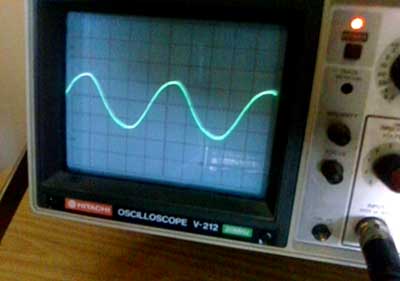
A small DC offset was observed during biasing, later traced to a faulty trimmer in the bias voltage divider.
Nonetheless, the resulting voice recordings are crisp, warm, and have an analog texture that I find very pleasant.
🎧 Audio Sample
Want to hear how it sounds? Here’s a short voice recording using this DI box:
🎙️ Listen on Vimeo
🔬 Future Experiment: Cascode Configuration
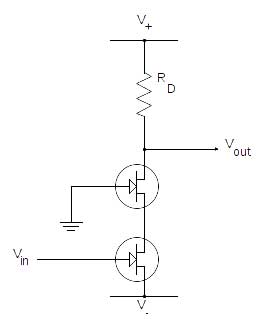
For the next iteration, I’m considering a cascode configuration using dual FETs or FET + BJT to further increase gain and linearity.
🛠️ Final Assembly
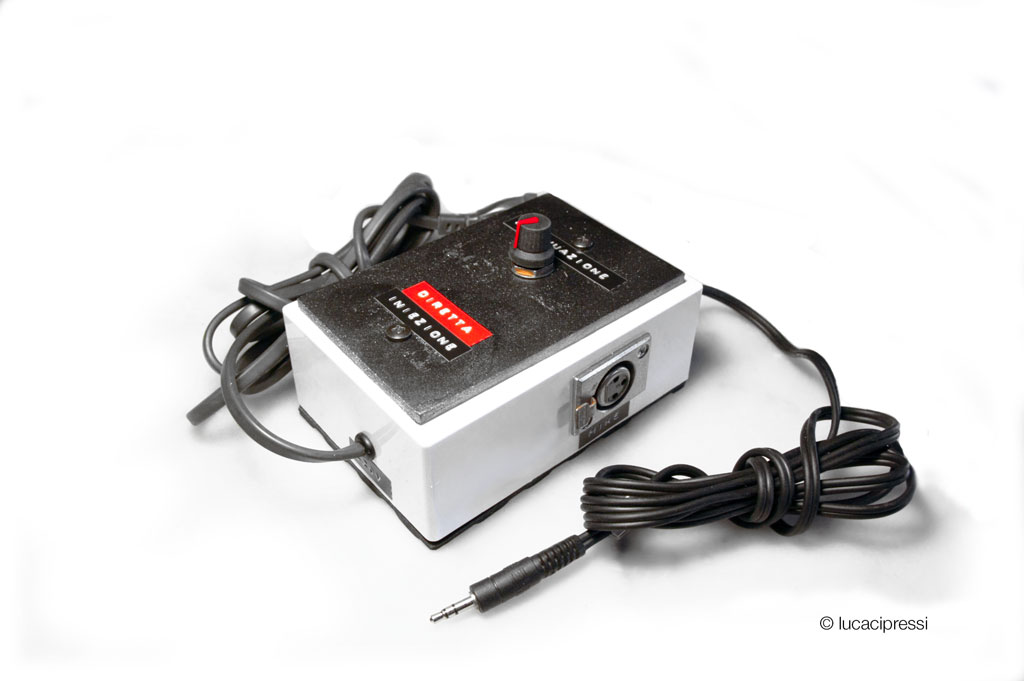
The entire build fits in a compact metal enclosure, with XLR input and standard jack outputs. Simple, effective, analog.
If you’re looking for a reliable mic-to-line converter with vintage character — this little Diretta Iniezione box just might do the trick.